
Pentesting
Hands-on testing of your hardware, firmware and software, with findings your engineers can act on.
Threat modeling and design review that build security in from the start, when changes are cheapest to make.
Security is easiest to build in while a product is still being designed. Decisions made early, like which microcontroller to use or how devices authenticate to the cloud, are hard to change later. Getting them right means fewer surprises when it’s time to pentest.
I can help at any stage of development, from early architecture decisions through pre-launch verification.
Threat modeling is a systematic way to evaluate security concerns in a product or system. If you don’t know how your product could be attacked, you can’t prioritize what to protect.
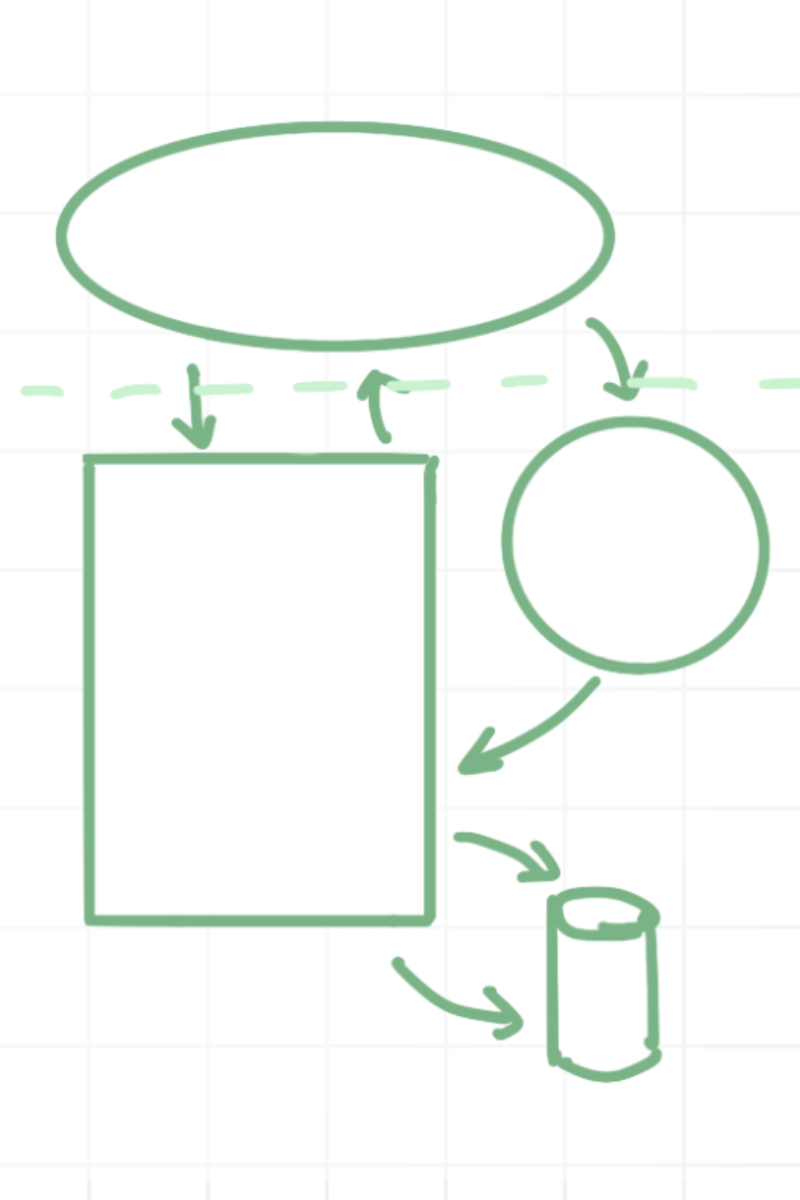
First, we identify every component of the system and how the components connect. Then we map the assets that need protecting, such as data, access, keys and other secrets, and identify the likely threat actors.
From there, we list the attacks that apply to your specific system. We rank them by likelihood, meaning how difficult they are and how much insider knowledge they need, and by the damage they would cause. Your engineering and design teams can then:
The result is a prioritized list of security work you can tackle before pentesting or certification.
Before launch, I can test your product against its security requirements, confirming that each control in the design was implemented and works as specified. That can include secure boot, debug access locked on production units, message authentication, and encrypted storage.
A pentest looks for any way an attacker could get in. Verification testing checks that the protections you planned are in place and working.
Secure design work can be anything from a one-off conversation to a full threat model or ongoing support through a project. Past work includes threat models, TARAs, presentations on design concerns, and security implementation guides written for a team’s specific hardware.
For a quick start, a Security Review covers your product’s biggest risks in a single session.
Hands-on testing of your hardware, firmware and software, with findings your engineers can act on.
Get your team and a security specialist together to map your product's biggest risks before launch.
Give your engineers hands-on security skills through custom workshops and hacking challenges.